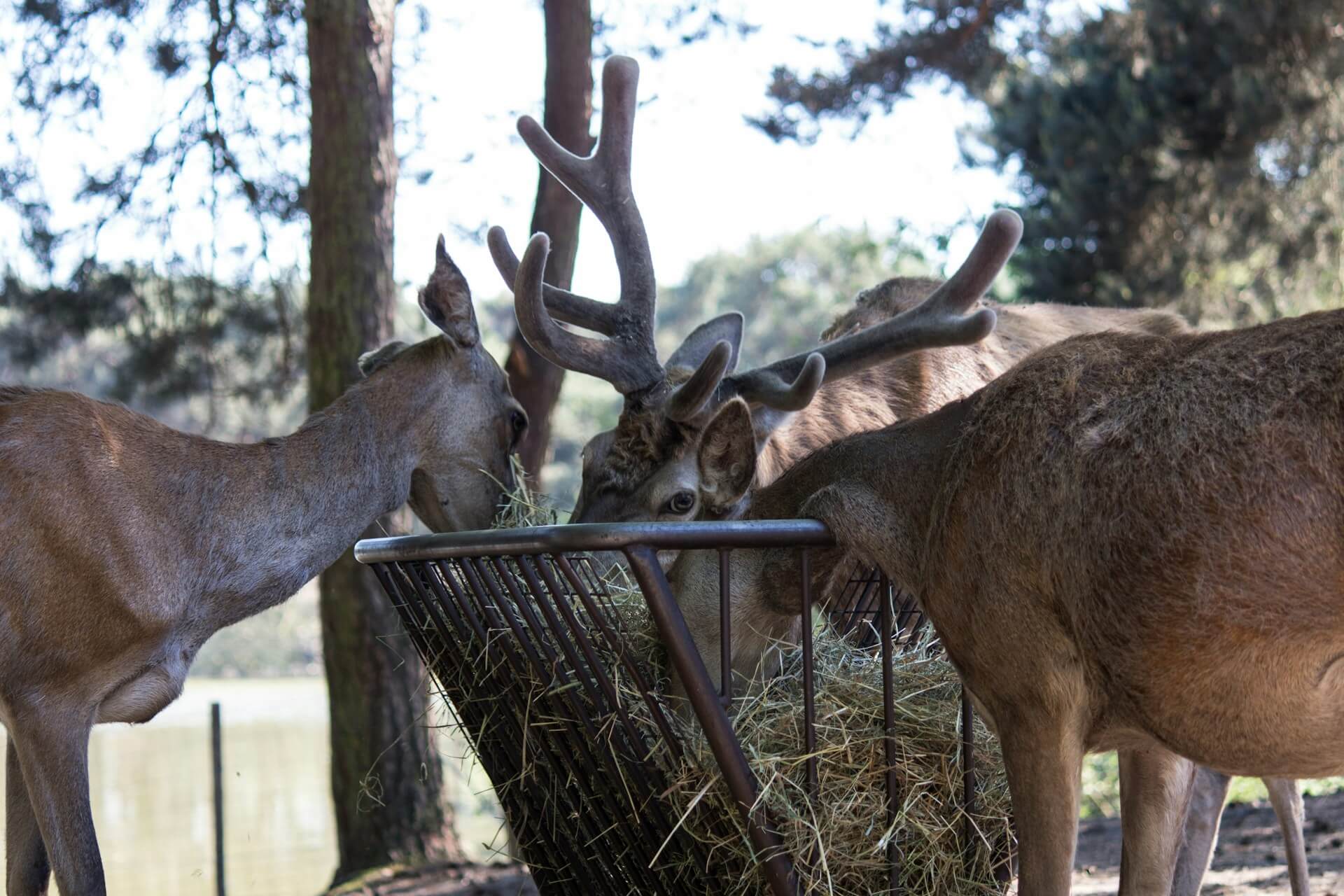
Year-Round Game Feeding Techniques for Hunters
Feeding techniques are an important tool for many hunters who want to take an active role in game management while also improving their hunting opportunities. When used correctly, feeding can contribute to healthier game, more stable populations and a better understanding of game movement patterns. It also allows hunters to plan their hunting more strategically throughout the year.
Here we look at the most common feeding techniques hunters use throughout the year as part of their hunting and game management.
Spring - recovery and game management
After winter, game needs to rebuild its energy reserves. Spring feeding is therefore primarily about supporting wildlife and observing its condition.
Typical spring feeding techniques:
Using salt and mineral licks to support antler growth and general health
Providing limited supplementary feed through automatic feeders
Maintaining established feeding sites to monitor the condition and development of game
Spring feeding should be moderate and balanced, supplementing rather than replacing natural food sources.
Summer - focusing on natural behaviour
Natural food is usually plentiful during the summer months, so the need for supplementary feeding is limited. At this time of year, feeding techniques are used primarily for game management and monitoring.
Suitable measures for summer:
Maintaining mineral and salt licks
Providing little or no concentrated feed
Focusing on game crops and good habitat rather than direct feeding
Summer is an ideal time to observe game behaviour and population structure without unnecessarily influencing either.
Autumn - preparing for the hunting season
Autumn is a key period for both game and hunters. Game builds up fat reserves, and the hunting season is well underway. Feeding techniques are often used in a more targeted way at this time.
Popular autumn feeding techniques:
Automatic feeders that dispense controlled quantities
Energy-rich feed such as cereals and maize, tailored to the game species
Strategically positioned feeding sites that can help keep game in the area
When managed correctly, autumn feeding can help keep game settled and provide better shooting opportunities during the hunt.
Winter - consistent support during a challenging period
Winter is the most demanding time for game. Cold, frost and snow can make finding food difficult, and feeding has an important role to play.
Effective winter feeding techniques:
Providing feed regularly and consistently so game knows where to find food
Combining forage with energy-rich feed
Using dry, well-positioned feeding sites with clear views of the surroundings
A well-managed winter feeding programme can be crucial to the health and survival of game through to spring.
Feeding techniques as part of good hunting practice
Feeding should always be seen as a tool for wildlife care and long-term management, rather than simply a way to attract game. By making feeding techniques an integral part of their hunting strategy, hunters can develop a better understanding of game and make more responsible decisions.
Conclusion
Using feeding techniques throughout the year allows hunters to take an active role in game management and hunting planning. Adapting feeding to the season and the needs of game helps create better conditions for both healthy populations and rewarding hunting experiences.
Correct feeding is not just about hunting, but about respect for game and the natural world.