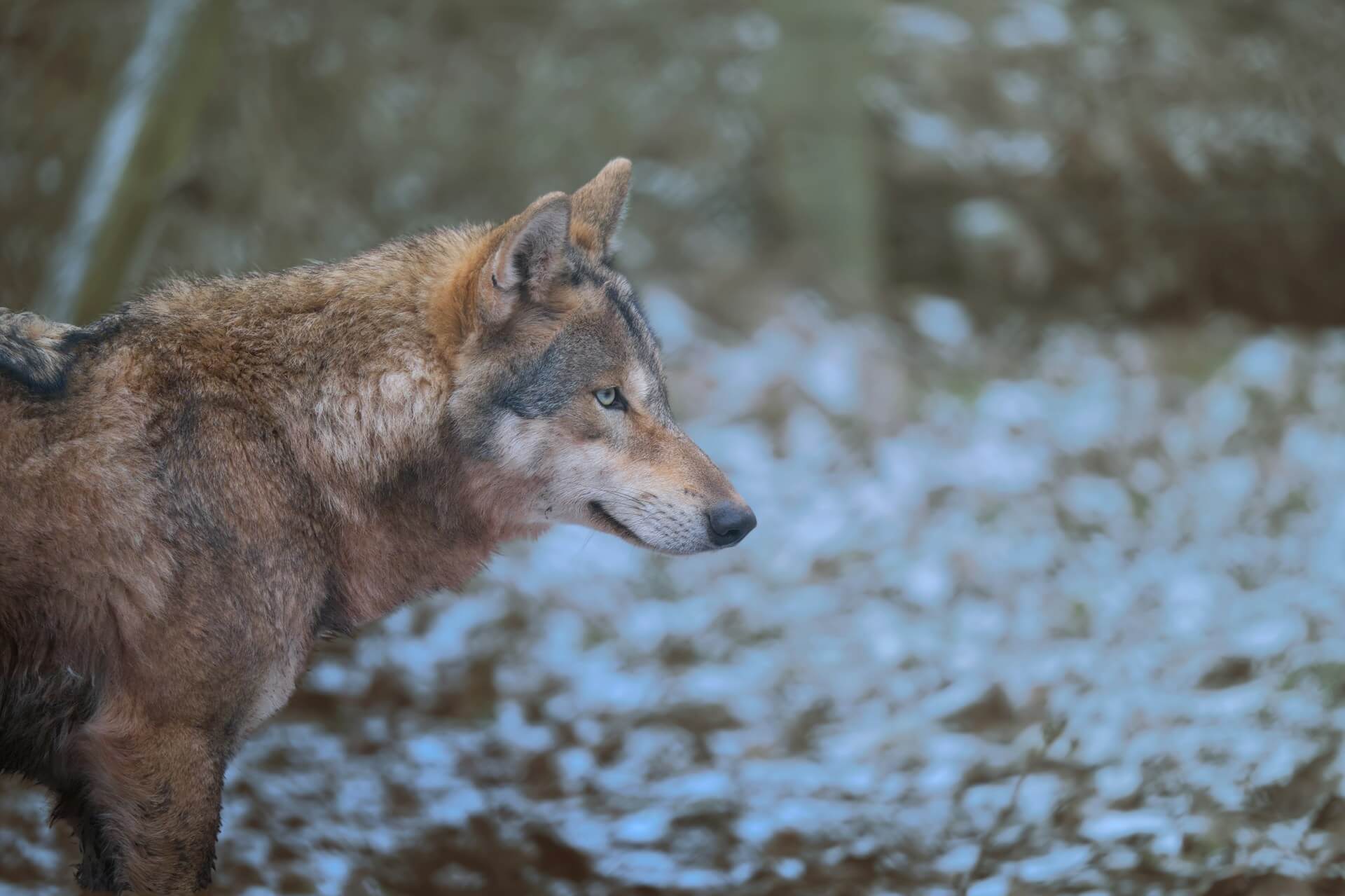
Wolves in Denmark – facts about distribution, hunting and problem wolves
Wolves are once again part of Denmark’s wildlife, but their presence divides opinion. Where do wolves live in Denmark, how do they affect hunting and livestock farming, and when can a wolf be classed as a problem wolf? Get a balanced overview of the facts, rules and main perspectives in the debate about wolves in Denmark.
Wolves in Denmark attract considerable interest and debate. After an absence of more than 200 years, wolves are once again part of Denmark’s wildlife, with implications for hunting, livestock farming and wildlife management. Some see the wolf as a natural predator that belongs in the ecosystem, while others are critical of its return. Here is a comprehensive overview of the facts about wolves in Denmark.
The history of wolves in Denmark
The wolf (Canis lupus) was once widespread throughout Denmark but was eradicated in the early 19th century. The last known wolf was shot in Jutland in 1813. The causes were intensive hunting, deforestation and increasing human activity.
In 2012, the presence of a wolf was confirmed in Denmark once again. The wolves living here today have dispersed naturally from the central European population via Germany and have not been released by humans.
Wolf facts – size, weight and behaviour
The wolf is Europe’s largest wild canid and typically lives in family groups consisting of a breeding pair and their pups.
Facts about wolves in Denmark:
Weight: typically 30–50 kg, although large males can, in rare cases, weigh as much as 70–80 kg
Diet: mainly deer, such as roe deer and red deer
Behaviour: wary of humans
Activity: most active at dusk and during the night
Territory: often 200–300 km²
Wolves can travel long distances and are able to adapt to different types of landscape.
Wolf distribution in Denmark
Wolves in Denmark are currently concentrated mainly in western and central Jutland. These areas offer larger, connected stretches of natural habitat and a plentiful food supply. The population consists of established wolf packs, territorial pairs and individual roaming wolves.
The number of wolves in Denmark varies over time and is influenced by factors including food availability, mortality and immigration from neighbouring countries.
Wolves and hunting
The return of wolves has implications for hunting in the areas where they live. Wolves feed mainly on deer, which can affect local populations and alter game behaviour.
Some see wolves as a natural means of regulating populations, while others view them as competitors for game. The presence of wolves can make deer more wary and change their movement patterns, potentially affecting hunting success and methods.
As a general rule, wolves are fully protected and cannot be hunted as ordinary quarry.
Problem wolves and the scope for lethal control
Although wolves are protected in Denmark, lethal control is possible in exceptional cases. If a wolf is assessed as a problem wolf, the authorities may grant permission for it to be shot or otherwise killed.
A problem wolf may, for example, be:
A wolf that repeatedly attacks livestock despite preventive measures
A wolf that displays unacceptable behaviour close to humans
Permission for lethal control is granted only following a case-by-case assessment and within the framework of Danish legislation and the EU Habitats Directive.
Wolves and livestock
Wolf attacks on livestock, particularly sheep, are among the most widely discussed issues in the debate about wolves in Denmark. Compensation is paid for confirmed attacks, while preventive measures include wolf-proof fencing, electric fencing and closer supervision.
Views differ on the effectiveness of preventive measures, and experiences vary depending on local conditions.
Attitudes towards wolves in Denmark
Opinion on wolves in Denmark is divided. Some believe that wolves naturally belong in Denmark’s wildlife and contribute to biodiversity. Others consider Denmark too densely populated and intensively used to accommodate a large predator without conflict.
The discussion is therefore not just about wolf biology, but also about hunting, agriculture, people’s sense of safety and wildlife management.
The future of wolves in Denmark
The future of wolves in Denmark depends on political decisions, international legislation and ongoing management. Whatever their views, there is broad agreement that responding to developments requires sound factual knowledge, dialogue and a clear framework for managing conflicts.
Conclusion
Wolves are once again part of Denmark’s wildlife, but their presence attracts both support and opposition. For hunters and others who spend time in the countryside, it is important to know the facts about wolves in Denmark and take part in an informed debate.