Trail Camera Guide 2026: How to Choose the Best Trail Camera for Hunting
A trail camera is an effective tool for monitoring game and planning hunts. This buying guide explains the features, price ranges and differences to help you choose the best trail camera for your needs.
A trail camera is an effective tool for monitoring wildlife in woodland, in fields or at feeding sites. For many hunters and nature enthusiasts, it has become an essential way to understand game movements and activity without disturbing the area unnecessarily.
But how do you choose the right trail camera? There is a wide range available, with considerable differences in price, features and quality. In this guide, we cover the key considerations when buying a trail camera, so you can choose the option that best suits your needs.
What is a trail camera?
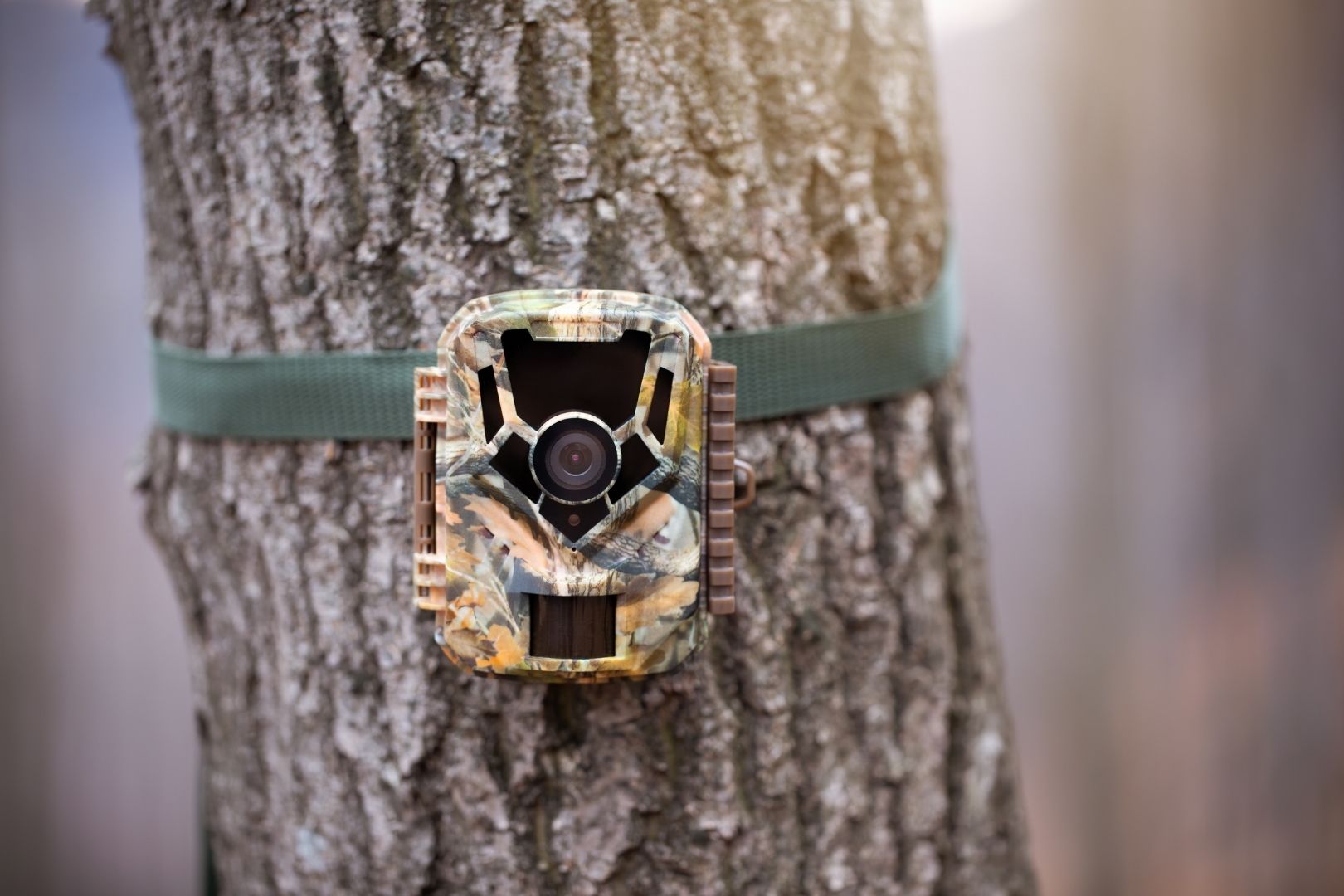
A trail camera, also known as a wildlife camera or hunting surveillance camera, is a motion-activated camera that automatically takes photographs or records video when its PIR sensor detects movement.
The camera is usually mounted on a tree and can operate unattended for extended periods.
Trail cameras are used for:
Monitoring roe deer, red deer and fallow deer
Recording activity at feeding sites
Mapping game trails
Observing predators
General wildlife monitoring
Key considerations when buying a trail camera
When choosing the best trail camera, it is important to look beyond the price alone. Here are the main factors to consider.
1. Image quality and resolution
Image quality determines how clearly you can identify animals and details such as antler development or body shape.
Look for:
At least 12–16 megapixels
HD or Full HD video (1080p)
Good image quality in both daylight and darkness
A good-quality sensor rather than simply a high megapixel count
Very high megapixel counts are often achieved through interpolation and do not necessarily indicate better image quality.
2. Trigger speed (response time)
Trigger speed indicates how quickly the trail camera responds when movement is detected.
A good trigger system should offer:
A response time of under 0.5 seconds
Consistent performance when detecting repeated movements
Adjustable sensitivity
When monitoring paths and game trails, a fast response time is essential, as animals are often only in the frame for a few seconds.
3. Night vision and infrared flash
As many animals are active at dusk and after dark, night vision is an important feature of any trail camera.
The most common types are:
No-glow (invisible infrared flash)
No visible red glow
Reduces the risk of spooking game
Suitable for discreet monitoring
Low-glow
A faint red glow from the LED
Often cheaper
Adequate for many situations
The choice depends on how discreet the monitoring needs to be.
4. Trail cameras with a SIM card (GSM/4G)
A trail camera with a SIM card can send images directly to a mobile phone or email address via the mobile network. This type of trail camera is popular with hunters who want regular updates without disturbing their hunting grounds.
Advantages:
Quick access to images
Less disturbance to the area
The option of real-time monitoring
Requirements:
A SIM card and data plan
Reliable mobile coverage
5. Battery life and power supply
Power consumption has a significant impact on how long your trail camera can remain outdoors unattended.
Consider:
The number and type of batteries
Compatibility with rechargeable batteries
The option to connect a solar panel
The camera's standby power consumption
An energy-efficient trail camera can operate for several months without a battery change.
6. Durability and weather resistance
A trail camera needs to withstand the Danish climate, including rain, frost and temperature fluctuations.
Look for:
A minimum IP66 rating
A well-sealed battery compartment
Reliable operation at low temperatures
A secure mounting system and locking mechanism
Robust build quality is particularly important if the camera will be used all year round.
Trail camera prices – what can you expect?
The price of a trail camera depends on its features and quality. There are now many affordable trail cameras on the market, and even models costing less than DKK 1,000 can be adequate for basic monitoring.
Broadly speaking, prices fall into the following ranges:
DKK 0–1,000 – Budget-friendly trail cameras for basic monitoring and hobby use
DKK 1,000–3,000 – Mid-range models with better sensors, faster triggers and more consistent night vision
DKK 3,000 and above – Advanced models with high image quality, 4G/GSM connectivity and extra-rugged construction
For many hunters, a mid-range trail camera will offer the best balance between price and functionality.
Legislation and responsible use
When using a trail camera, it is important to be aware of current surveillance regulations. The camera must not monitor public roads or neighbouring land, and data protection rules may apply if people are filmed.
Always check current Danish legislation before setting up your trail camera.
Conclusion
Buying a trail camera should involve weighing up your needs, the available features and build quality. The key is not necessarily to find the most expensive trail camera, but the one that suits your purpose.
Focus particularly on:
Fast trigger speed
Good image quality
Effective night vision
Reliable battery life
Robust construction
The right trail camera gives you a better understanding of game behaviour and a valuable tool for both hunting and wildlife monitoring.