Shotgun Hunting in Denmark: A Guide to Hunting Methods, Shot Sizes and Safe Shooting
Shotgun hunting is one of Denmark’s most popular forms of hunting. This guide covers key methods, including flight shooting, driven hunts and shooting from a hide, along with how to choose the right shot size for ducks, pheasants and foxes. You will also find practical advice on shooting distances, safety and responsible shotgun hunting.
Shotgun hunting is one of Denmark’s most popular forms of hunting. Whether you are shooting ducks, pheasants or pigeons, or taking part in a driven hunt, hunting with a shotgun requires sound technique, accurate range estimation and the right choice of cartridges.
This guide covers the main types of shotgun hunting, what to bear in mind and, importantly, which shot sizes are typically used for different quarry species.
What is shotgun hunting?
Shotgun hunting uses cartridges containing many small pellets, which spread into a pattern when fired. This makes the shotgun particularly well suited to shooting birds in flight and hunting smaller mammals.
Typical shotgun quarry in Denmark includes:
Ducks
Geese
Pheasants
Pigeons
Grey partridges
Hares
Foxes
Roe deer, where legal and under specific conditions
Shooting distances are shorter with a shotgun than with a rifle, and the correct ammunition is essential for an effective, humane kill.
Different types of shotgun hunting
Flight shooting
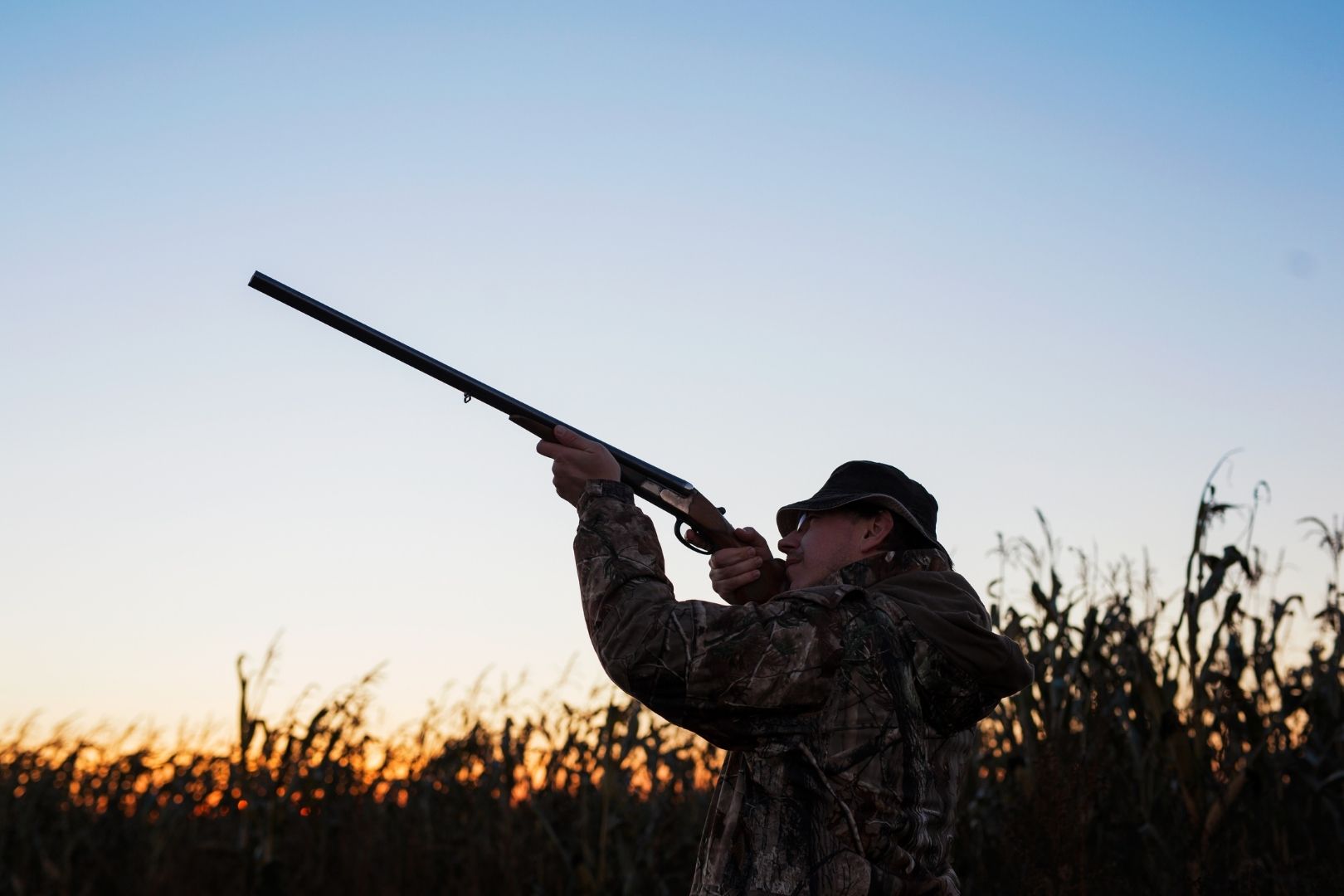
Flight shooting is often used for ducks, geese and pigeons. The hunter takes up a position along the birds’ flight lines and shoots as they pass within a responsible shooting range.
The correct shot size and accurate range estimation are crucial here, especially with high-flying birds.
Driven hunts
Driven hunts are a classic form of shotgun hunting, particularly for pheasants and ducks, although foxes may also be encountered. The quarry is driven towards a line of hunters.
Many hunters choose a more versatile shot size for this type of hunting, as they cannot always predict what will come their way.
Shooting from a hide or fixed position
Shooting from a hide or fixed position is particularly common for pigeons and ducks. This often gives you more scope to choose a shot size tailored to the quarry, as you know which species to expect.
Choosing shotgun ammunition – what is typically used?
The choice of shotgun ammunition depends on the quarry, shooting distance and hunting method. In Denmark, the following shot sizes are among the most commonly used:
No. 7–9 → Smaller birds such as pigeons
No. 5–6 → Pheasants and ducks
No. 4–5 → Highly versatile sizes
No. 3 → Geese, foxes and larger quarry
No. 4–5 – a versatile favourite
For many hunters, No. 4–5 shot is a dependable choice. These sizes work well for pheasants, ducks and hares, while also providing enough penetration for foxes and, in certain circumstances, roe deer where legal.
This is why No. 4–5 shot is often regarded as a good all-round option for driven hunts.
Different shot sizes in each barrel
Some hunters load a different shot size in each of the two barrels for greater flexibility.
A typical example:
No. 5 in the first barrel provides good pattern coverage for birds
No. 3 in the second barrel provides more striking energy for foxes or roe deer
This allows you to be prepared for both birds and predators on the same hunt, but requires you to be fully aware of which barrel will fire.
Do not shoot too far
Regardless of shot size, one of the biggest mistakes in shotgun hunting is shooting at excessive range.
Effective shotgun hunting typically takes place within 25–35 metres. Even larger shot quickly loses effectiveness at longer ranges.
Signs that the shooting distance is too great:
No visible reaction from the quarry
Frequent wounding rather than clean kills
Poor pattern coverage
If you are unsure of the distance, do not shoot.
Shotgun hunting safety
Shotgun hunting often involves several hunters together, and safety is paramount.
Always remember:
Know your safe arc of fire
Never take low shots on a driven hunt
Never point your gun at anyone
Unload your gun during transport and breaks
Take particular care when using different shot sizes in each barrel
Practice improves your shotgun hunting
Regular practice at a shooting ground is one of the best investments you can make in your shotgun hunting.
Practice helps with:
Timing and swing
Range estimation
Reducing wounding
More ethical shooting and cleaner kills
Shotgun hunting demands responsibility
Shotgun hunting is a proud tradition in Denmark. But its versatility also brings responsibility.
Choosing the correct ammunition, respecting shooting distances and prioritising safety are essential for ethical, effective hunting.
By combining the right shot size with regular practice and good judgement, you will be well prepared for a successful day’s hunting.
Good hunting!