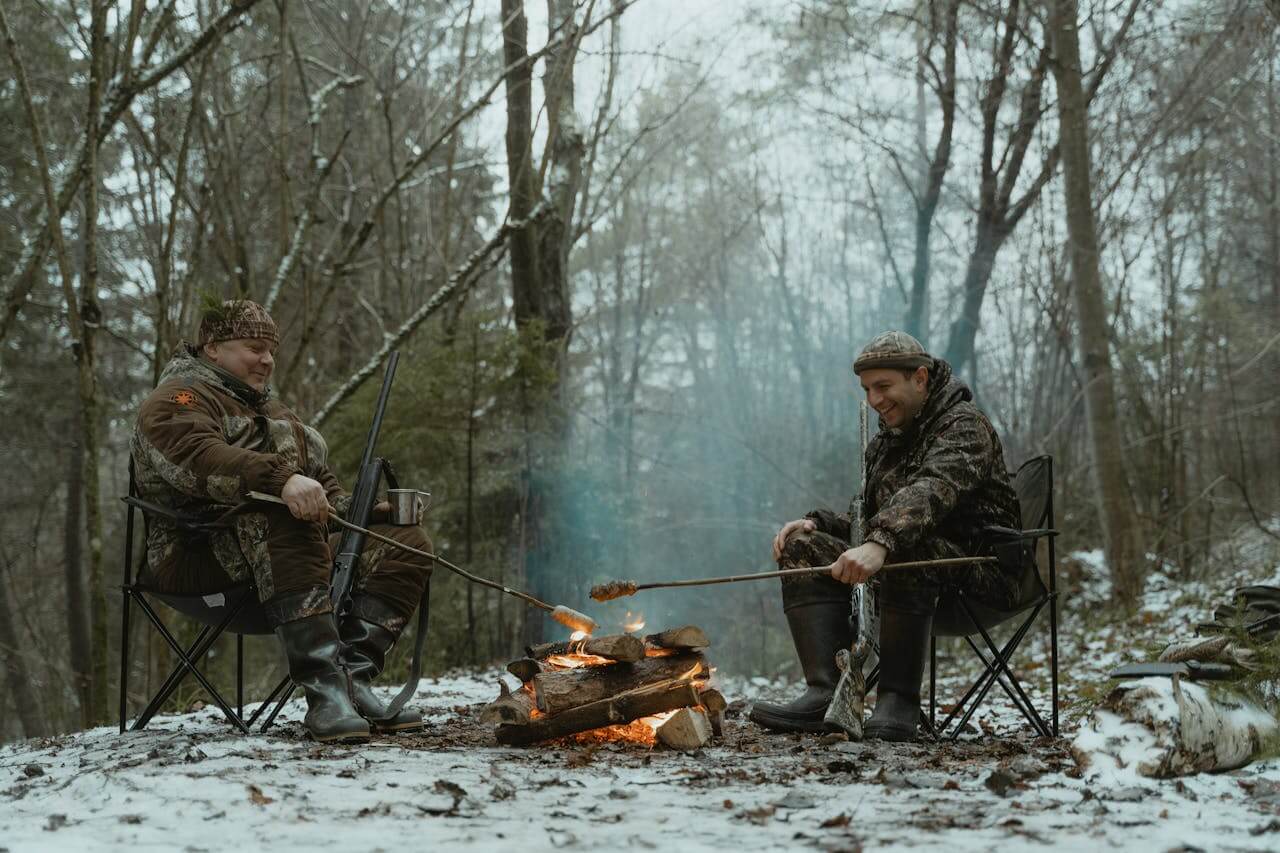
Hunting Seat Buying Guide – Choose the Right Seat for Your Hunt
A hunting seat is an important piece of kit for both new and experienced hunters. Whether you are hunting from a fixed position, stalking or taking part in a gentle driven hunt, your choice of seat makes a real difference to comfort, stability and concentration. With the right seat, you can sit still for longer and improve your chances of a successful hunt.
In this guide, we look at the most common types of hunting seats and help you choose the one that best suits your style of hunting and your needs.
Why is choosing the right hunting seat important?
Hunting often involves sitting still for long periods. If your seat does not suit you or the way you hunt, it can cause discomfort, restlessness and unnecessary movement. A good hunting seat offers:
Greater comfort on long days out hunting
Better stability and balance
Less movement and noise
Better focus and composure when taking a shot
The right seat is therefore not just about comfort, but also about effective, responsible hunting.
Different types of hunting seats
Single-legged hunting seat
A single-legged hunting seat is ideal for hunters who spend a lot of time on the move. It is easy to carry and quick to set up when you need a short break.
Advantages:
Very light and compact
Quick to unfold and fold away
Well suited to hunting that involves frequent movement
Disadvantages:
Less comfortable over longer periods
Requires reasonably firm ground
Best suited to:
Stalking, gentle driven hunts and situations where you frequently change position.
Three-legged hunting stool
A three-legged hunting stool is a popular choice, offering a good balance of comfort and stability. It sits securely on most ground and is still easy to carry.
Advantages:
Good stability, even on uneven terrain
Comfortable to sit on for longer periods
Easy to take hunting
Disadvantages:
Bulkier than a single-legged model
Often has no backrest
Best suited to:
Hunting from a fixed position, standing at a peg and spending longer periods in one place.
Rucksack seat
A rucksack seat combines seating and storage. It is particularly useful for hunters who spend many hours at a fixed position and need to carry extra kit.
Advantages:
Comfortable seating, often with a backrest
Room for equipment, food and extra clothing
Good support during long waits
Disadvantages:
Heavier than other types of seat
Less practical when moving frequently
Best suited to:
Hunting from a fixed position, roe buck hunting and hunts where comfort is a high priority.
Sitting mat
A sitting mat is a simple option that takes up very little space and is easy to carry in a pocket or rucksack. It is often used alongside a seat or as an alternative to one.
Advantages:
Very light and silent
Takes up almost no space
Can be used anywhere
Disadvantages:
Limited comfort
No support for your back or legs
Best suited to:
Short breaks, stalking and hunters who prefer a minimalist option.
What should you consider before choosing?
When choosing a hunting seat, it is worth considering:
How long you typically sit at a time
Whether you move around a lot during a hunt
How important comfort is to you
Whether the seat needs to be easy to carry over long distances
The terrain you most often hunt in
Conclusion
No single hunting seat suits everyone. The best option depends on your style of hunting, your comfort requirements and how you move through the terrain. Choose a seat that meets your needs and you will be able to sit more still, stay more comfortable and enjoy a better hunting experience.