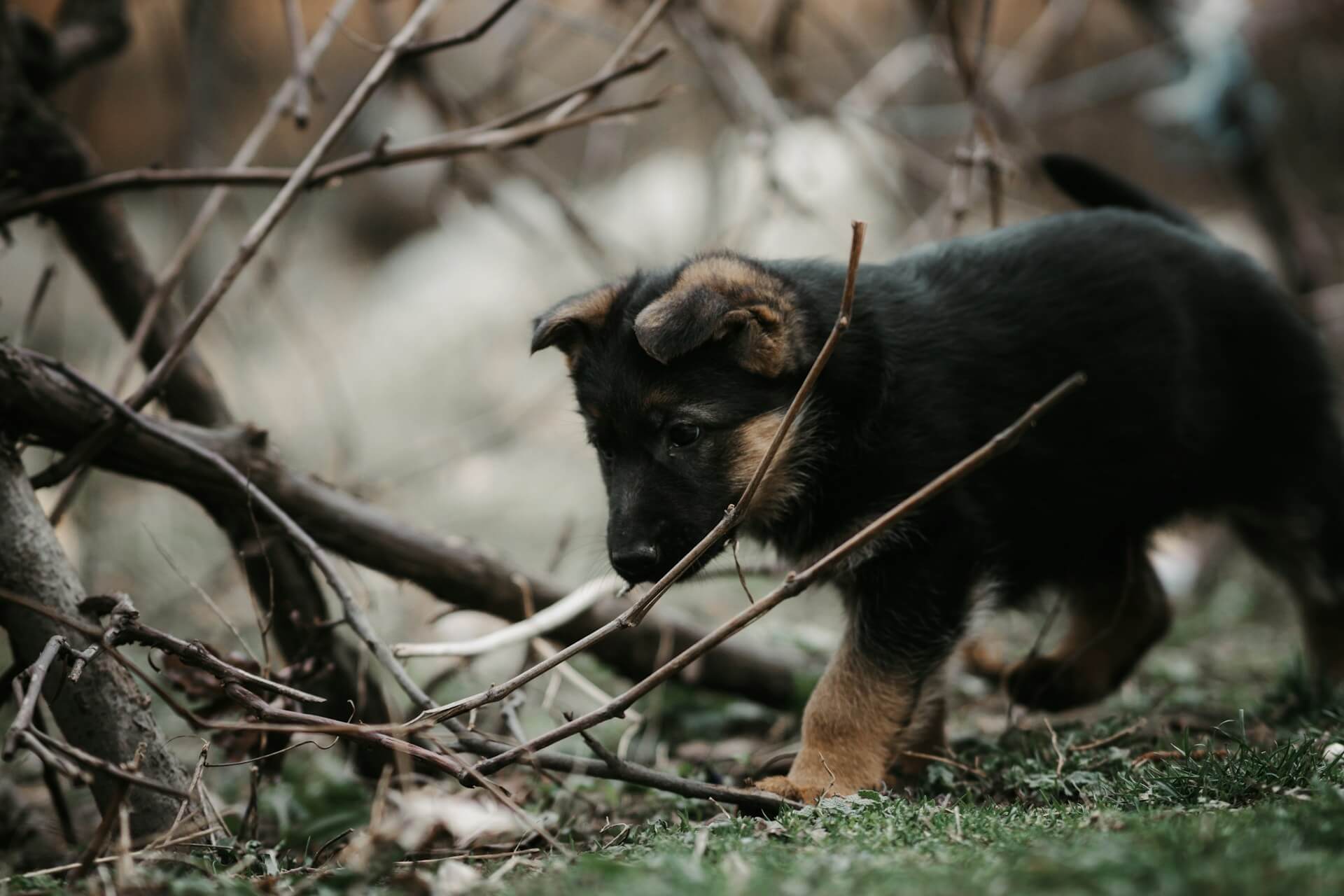
Training a Hunting Puppy – How to Get Off to a Good Start
Training a hunting dog begins in puppyhood. A well-trained hunting dog is the result of early puppy training that focuses on teamwork, confidence and enthusiasm for hunting. Whether you have a retriever, a pointing dog or a scenthound, foundation training is essential for the dog's future work in the field.
This guide offers practical advice on how best to train your hunting puppy.
Why is training a hunting dog from puppyhood so important?
The first few months of a hunting dog's life are crucial. This is when a puppy forms habits, learns to read its handler and builds confidence. Getting off to the right start makes later hunting dog training easier and more effective.
Early training reduces the risk of unwanted behaviour in the field, reluctance to work with the handler, gun-shyness and stress in unfamiliar surroundings.
Socialisation – the foundation for a well-balanced hunting dog
Socialisation is an important part of puppy training. A hunting puppy should be introduced early to different people, other dogs, woodland, fields and uneven terrain, as well as unfamiliar sounds and smells.
Take your puppy on short outings in the countryside without making demands. Let it explore its surroundings at its own pace. A confident puppy develops into a calm, focused hunting dog.
Basic obedience training for a hunting puppy
Obedience is central to all hunting dog training. Start early with simple commands such as come, sit, stay and no.
Recall is particularly important for hunting dogs and should be practised consistently from the outset. Keep training positive, brief and playful. Use praise and rewards rather than reprimands to encourage a dog that is willing to work with you.
Introducing puppies to hunting work
Even while your puppy is young, you can begin gentle introductions to hunting work. This might include retrieving soft dummies, searching games in grass and cover, and short scent trails laid by dragging a scented object.
The aim is not perfection, but to awaken the puppy's natural instincts and interest in hunting.
Introducing gunfire – how to prevent gun-shyness
Getting a dog used to gunfire is an important part of hunting dog training, but it must be done gradually. Start with quiet everyday sounds and slowly increase their intensity.
Gunfire should always be associated with something positive, such as play or feeding, and should initially be heard only from a considerable distance. A careful introduction to gunfire during puppyhood significantly reduces the risk of gun-shyness.
Short training sessions deliver the best results
A hunting puppy has a limited attention span. Training sessions of 5 to 10 minutes are plenty. Always finish while the puppy is still keen.
Avoid long, repetitive exercises, strenuous physical activity and excessive strain on joints and muscles.
Everyday routines and play are often the most effective forms of puppy training.
Patience is the key to successful hunting dog training
Training a hunting puppy takes time and patience. The good habits you establish early lay the foundation for many years of success in the field. A confident, well-trained puppy grows into a reliable, keen and obedient hunting dog.