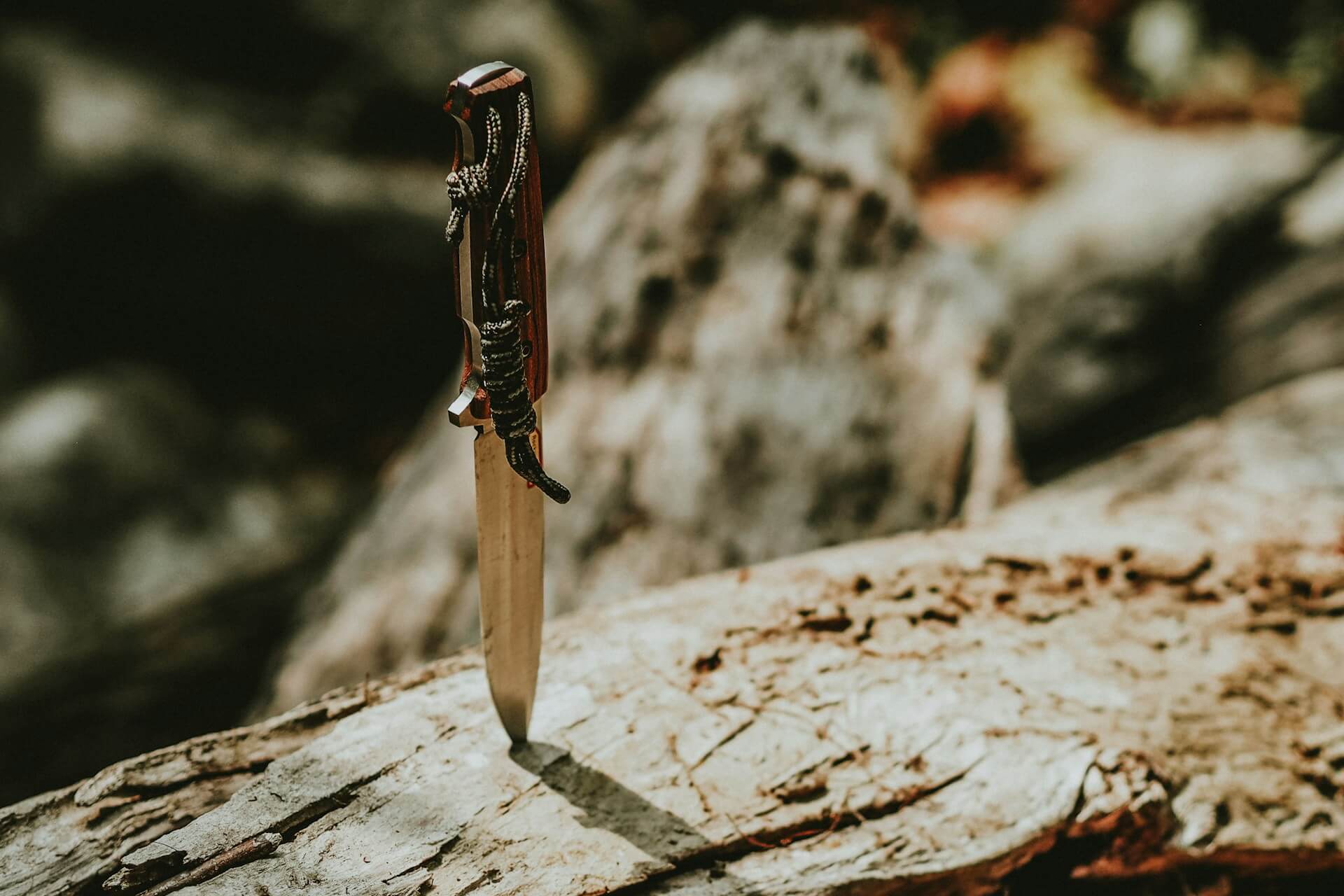
Hunting knives: how to choose the best knife for your needs
Which hunting knife should you choose? Read our complete guide to fixed blades, folding knives, swingblades, gutting blades, steel types and sheaths.
A hunting knife is one of the most important tools for any hunter. Whether you hunt roe deer, red deer or small game, the right hunting knife is essential for handling your game safely, efficiently and correctly.
But which hunting knife should you choose? Should it be a fixed-blade knife, a folding knife or a swingblade with both a standard blade and a gutting blade? This guide covers everything you need to know before choosing a hunting knife.
What is a hunting knife?
In modern hunting, the term hunting knife mainly refers to the knife a hunter uses after the shot. Its uses include:
gralloching or field dressing
skinning
jointing and butchering
trophy preparation
Hunting knives were once also used to dispatch game, but today animals are usually taken with a rifle, shotgun or bow. The knife's role is therefore to ensure that game is handled correctly and hygienically.
Fixed-blade hunting knife or folding knife?
One of the first decisions you need to make is whether to choose a fixed-blade hunting knife or a folding knife.
Fixed-blade hunting knives
A fixed-blade hunting knife is known for its strength and rigidity, and is often the first choice for gralloching and other work in the field.
Advantages of a fixed blade:
excellent strength and rigidity
better ergonomics and grip
more heft and control
easier cleaning
Folding knives for hunting
Folding knives are popular because they are easy to carry and take up less space.
Advantages of a folding knife:
light weight
takes up less space in a pocket or rucksack
protects the blade during transport
can offer multiple blades or functions
The drawback of folding knives is that dirt and fluids can collect in the mechanism, making thorough cleaning more demanding.
Swingblade: a hunting knife and gutting blade in one
The swingblade is a well-established type of hunting knife that hunters have used for many years. It combines a standard hunting blade and a gutting blade in a single knife. A pivoting or switching mechanism lets you quickly select the blade that suits the task.
The swingblade is designed to make field dressing quicker and more controlled, without the hunter having to change tools.
Advantages of a swingblade:
one knife for both field dressing and other cutting tasks
quick, controlled opening of the abdominal cavity
reduced risk of damaging organs
Disadvantages:
more moving parts than a traditional fixed-blade knife
requires more careful cleaning
the gutting blade can be harder to sharpen
A swingblade is a good choice for hunters who want practicality and versatility in a single knife.
Gutting blade: do you need one?
A gutting blade is designed with a blunt inner side to reduce the risk of damaging the stomach or bladder during field dressing.
Some hunters consider a gutting blade indispensable, while others prefer a standard blade. The choice depends on experience, working methods and personal preference.
Finger guards and ergonomics
A finger guard is an important safety feature on a hunting knife. When the handle becomes slippery with blood and fat, the guard prevents your hand from sliding forwards onto the blade.
You should also choose a hunting knife with:
a secure, non-slip grip
the right size for your hand
good balance
no sharp edges on the handle
An ergonomically designed hunting knife makes the work safer and less tiring.
Types of hunting knives
There are many different types of hunting knives, including:
all-purpose and survival knives
Bowie-style hunting knives
boning knives
large Buck-style folding knives
hunting daggers, mainly for wild boar
field-dressing knives
knife sets containing several specialist knives
Your choice depends on whether you prefer one versatile knife or several specialist tools.
Which steel is best for a hunting knife?
The type of steel has a major influence on how long a knife stays sharp and how well it resists rust.
Common steels used in hunting knives:
420HC: easy to sharpen but requires regular maintenance
440 A, B or C: stainless steel with good corrosion resistance
AUS-6, AUS-8 or AUS-10: Japanese stainless steels with a good balance of properties
The best steel depends on whether you prioritise ease of sharpening, long-lasting edge retention or high rust resistance.
A sheath for your hunting knife
A sheath protects both you and the knife. The most common materials are:
leather and nylon, which are quiet and gentle on the blade
plastic, which is very durable but can cause more wear on the blade and make noise as you walk
Whatever the material, it is essential that the knife is held securely in the sheath.
How do you choose the best hunting knife?
When choosing a hunting knife, consider:
the game you hunt
how often you use the knife
whether you want one knife or several specialist knives
your budget
the knife's size and ergonomics
A well-chosen hunting knife makes the work easier, quicker and safer.
FAQ: frequently asked questions about hunting knives
Which hunting knife is best?
The best hunting knife depends on your needs. Many hunters prefer a fixed-blade knife, while others choose a folding knife or swingblade for greater versatility.
Are swingblades better than standard hunting knives?
Swingblades are not better for everyone, but they are practical if you want both a gutting blade and a standard blade in one knife.
Does a hunting knife need a gutting blade?
No, but a gutting blade can make field dressing quicker and more controlled, especially for new hunters.
How big should a hunting knife be?
The size of the knife should suit the game you hunt. A knife that is too large can lack precision, while one that is too small makes the work awkward.